Why Denture Adhesive May Stop Working and What It Can Mean
Denture adhesive can seem less effective for different reasons. In some cases, the issue may involve denture fit, the condition of the appliance, saliva changes, eating habits, or how the product is being used. Adhesive trouble does not point to one cause by itself, but it may be worth a dental evaluation if your denture feels loose, causes discomfort, or seems to need more product than it used to.
This article is general education and does not replace a clinical evaluation. Your treating team needs to examine your denture fit, oral tissues, and bite before recommending the next step.
Why Can a Denture Feel Loose Even With Adhesive?
A denture that once felt steady may start to move when you eat, talk, smile, or cough. When the denture no longer rests closely against the gums and supporting tissues, adhesive may seem to wear off sooner or hold unevenly.
Signs that may be worth discussing include:
- Needing more adhesive than before
- Adhesive leaking out from under the denture
- Dentures shifting during meals or conversation
- Food collecting under the denture
- New pressure spots, rubbing, or discomfort
These concerns can have more than one cause. If you are preparing for a visit, this overview of what to expect at your consultation can help you understand how your denture, oral tissues, and treatment questions may be reviewed.
Why Might Adhesive Work in the Morning but Not Later in the Day?
Sometimes the issue is not a major fit change. Adhesive performance can also be affected by everyday factors such as how the denture is cleaned, how the product is applied, saliva changes, or what you eat and drink during the day.
A few factors that may affect how secure a denture feels include:
- Applying adhesive to a denture that has not been cleaned thoroughly
- Using more product than directed or placing it too close to the edge
- Changes in saliva flow
- Sticky, chewy, or hard foods
- Long periods of talking or repeated chewing
It is best to follow the instructions on the specific adhesive product rather than adding more in hopes of a stronger hold. If the denture itself is worn, cracked, warped, or damaged, that can also affect how it fits and functions. The American Dental Association’s denture care guidance advises against using more adhesive than recommended and explains that poorly fitting dentures may need to be relined or replaced.
When Might a Loose Denture Need More Than Adhesive?
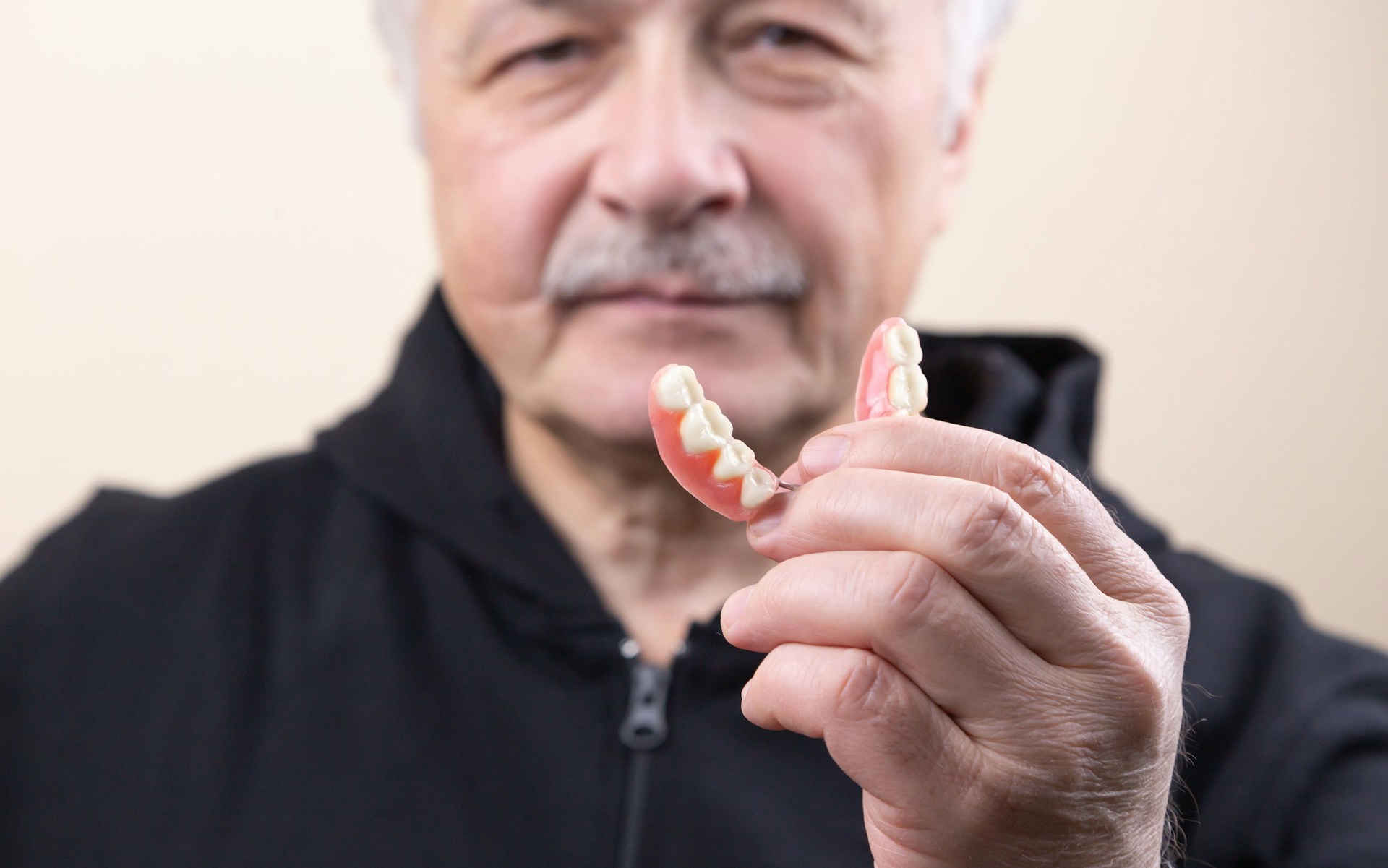
Using more and more adhesive is usually not a long-term answer for a denture that shifts regularly. Depending on what a dental exam shows, the next discussion may involve an adjustment, reline, repair, replacement, or a broader review of tooth replacement options.
A reline is a way of adjusting the inside surface of a denture so it better matches the shape of the gums. In some situations, that may help. In others, the denture may be worn or no longer fit well enough for a simple reline to solve the problem.
Please seek dental care promptly if you have persistent discomfort, swelling, repeated sores, difficulty eating, or a damaged denture. Those symptoms can have different causes and should be assessed in person.
If you want more background on how broader tooth replacement planning can work, you can review the Fusion Smile System overview and general full-mouth dental implant information before an appointment.
Can Implant-Supported Replacement Teeth Be Part of the Conversation?
Dental implants can support different types of replacement teeth, including fixed restorations and certain removable denture designs. These approaches are different, and not every practice offers every design.
Implant-supported dentures use dental implants to help retain or support certain denture designs. According to the FDA’s patient guidance on dental implants, implants can support replacement teeth or dentures, but they also involve surgery and possible risks and complications.
That does not mean implants are automatically the right choice for everyone with a loose denture. Candidacy can depend on factors such as:
- Oral and gum health
- Bone support
- Medical history
- Tobacco use
- Healing considerations
- Cleaning and maintenance needs
- Overall treatment goals
What Should You Bring Up at a Denture Evaluation?
A few details can make the visit more helpful. Bring your dentures with you and make note of when they feel loose. It can also help to mention which foods are difficult, whether discomfort appears in the same spot, and how often you use adhesive.
Helpful questions may include:
- Does the denture still appear to fit as intended?
- Could the problem be related to wear, damage, or bite changes?
- Might an adjustment or reline help?
- Is replacement worth discussing?
- Should implant-supported replacement teeth be part of the conversation?
An adhesive change may relate to the denture, your mouth, daily habits, or several factors at once. An evaluation by your treating team can help identify what may be contributing and guide a discussion about the options.
For adjustments, relines, or repairs to an existing removable denture, contact your general dentist or the clinician who provided it.
Talk With Fusion Implant Center
At Fusion Implant Center, we can discuss whether fixed full-mouth implant-supported teeth may fit your oral health needs and treatment goals. Call Fusion Implant Center at (225) 402-2113 to schedule a free consultation. Our team can walk you through costs and options by phone.
Sources
- American Dental Association. Dentures.
- U.S. Food and Drug Administration. Dental Implants: What You Should Know.