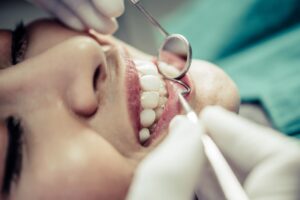

A dental implant case may be considered complex when surgical needs, restoration design, oral health, or personal health factors could affect planning, healing, or long-term care. Complex does not automatically mean implants are not an option. It simply means the details need careful evaluation before a treatment path is recommended.
For patients in Prairieville and the Baton Rouge area, a clinical evaluation helps Fusion’s oral and maxillofacial surgeons and prosthodontist understand oral health, medical history, imaging, and goals. This is general education, not a diagnosis or treatment recommendation. Treatment options, risks, healing, and results vary by patient.
What Can Make an Implant Case More Involved?
Dental professionals may look at implant cases through surgical, restorative, and patient-related factors. In plain language, this means considering what is happening in the jaw, how the final teeth need to fit and function, and any health concerns that could affect care.
A case may need more detailed planning when several factors are present at once, such as:
- Missing teeth in more than one area
- Limited bone volume or changes in bone quality
- Gum disease, infection, or a history of periodontal treatment
- A bite that places uneven pressure on the teeth
- Existing crowns, bridges, or other dental restorations
Previous tooth loss, trauma, infection, or dental treatment may also matter. None of these concerns automatically means you cannot receive implant treatment, and none automatically means an additional procedure is needed. An evaluation reviews the full picture before discussing what may be appropriate.
How Do Bone, Gum Health, and Your Bite Affect Planning?
Implants are placed in the jaw, so available bone and surrounding oral tissues are among the factors a dental professional evaluates when planning treatment. The condition of nearby teeth and restorations can also influence the design of the final restoration.
Your bite, meaning how your upper and lower teeth meet, is another part of the conversation. A restoration is planned with everyday chewing forces in mind. When teeth are missing, shifted, worn, or restored in different ways, surgical and restorative planning may need added coordination.
Some patients may need treatment for gum concerns, removal of unhealthy teeth, or another step before implant placement is considered. Others may have more than one treatment option. A clinical exam and imaging can help explain the differences without assuming one approach fits everyone.
Why Can Full-Arch Implant Treatment Need Extra Coordination?
Replacing an entire upper or lower arch involves planning for the surgical and restorative phases of care. Individual anatomy, oral health, bite relationship, the design of the final teeth, and long-term maintenance are considered during an evaluation.
Fusion’s oral and maxillofacial surgeons and prosthodontist provide full-arch dental implant treatment and implant bridges. Surgical placement and restorative planning can be discussed together. When appropriate, Fusion may use surgical guides as part of treatment planning.
Fusion’s final full-arch teeth are zirconia. Restoration design and material decisions depend on the treatment plan and clinical evaluation. Full-arch treatment may be an option for some people with many missing or unhealthy teeth, but it is not the right choice for every patient.
Why Do Medical History and Healing Factors Matter?
Your mouth is only one part of the evaluation. General health, medication use, smoking status, healing history, and oral hygiene may be relevant when implant treatment is being considered. Sharing a complete medical and dental history helps the treatment team understand factors that may affect planning.
According to FDA, “Dental Implants: What You Should Know”, dental implants have potential benefits and possible complications. Its patient guidance identifies risks that can include infection, implant failure, nerve injury, and other surgical complications. Whether these risks apply, and to what extent, depends on the treatment area and individual factors. Discussing them is a normal part of informed treatment planning and does not mean a complication will occur.
In some situations, the treatment team may suggest speaking with a physician or coordinating with a medical care team. This can help keep treatment decisions informed by overall health. Healing and outcomes vary by patient.
Questions to Ask About a More Complex Implant Plan
A good consultation should give you room to ask direct questions and understand why a plan is being considered. You may want to ask:
- What factors make my case more involved?
- What treatment options may fit my oral health and goals?
- Could I need additional procedures before or during treatment?
- What risks, limits, and maintenance needs should I understand?
- How will surgical and restorative planning be coordinated?
Costs depend on the treatment plan. Fusion offers a free consultation.
A complex implant case is rarely defined by one issue alone. Bone and gum health, restorative needs, medical history, bite concerns, and personal goals can all shape the plan. An individual evaluation is needed to determine whether a treatment option may be appropriate and what considerations may apply to you.
Get Clear Answers About Your Treatment Options
If you have been told your case is complex, or you are not sure where you stand, a consultation is the place to get clear answers. Our team can review your oral health, imaging, and goals, and explain the factors that may shape your plan. Call Fusion Implant Center at (225) 402-2113 to schedule a free consultation.
Frequently Asked Questions
Can a complex implant case still be treated with implants?
Complexity does not automatically rule out implant treatment, but a clinical evaluation is needed to determine which options may be appropriate.
Are extra procedures always needed for a complex implant case?
No additional procedure is automatic. Whether one may be considered depends on the evaluation, imaging, oral health, and treatment plan.
What should I bring to an implant consultation?
Bring a current medical and dental history, a medication list, and questions about your goals and concerns. If you have recent dental records or imaging, you can ask the office whether those would be useful.