
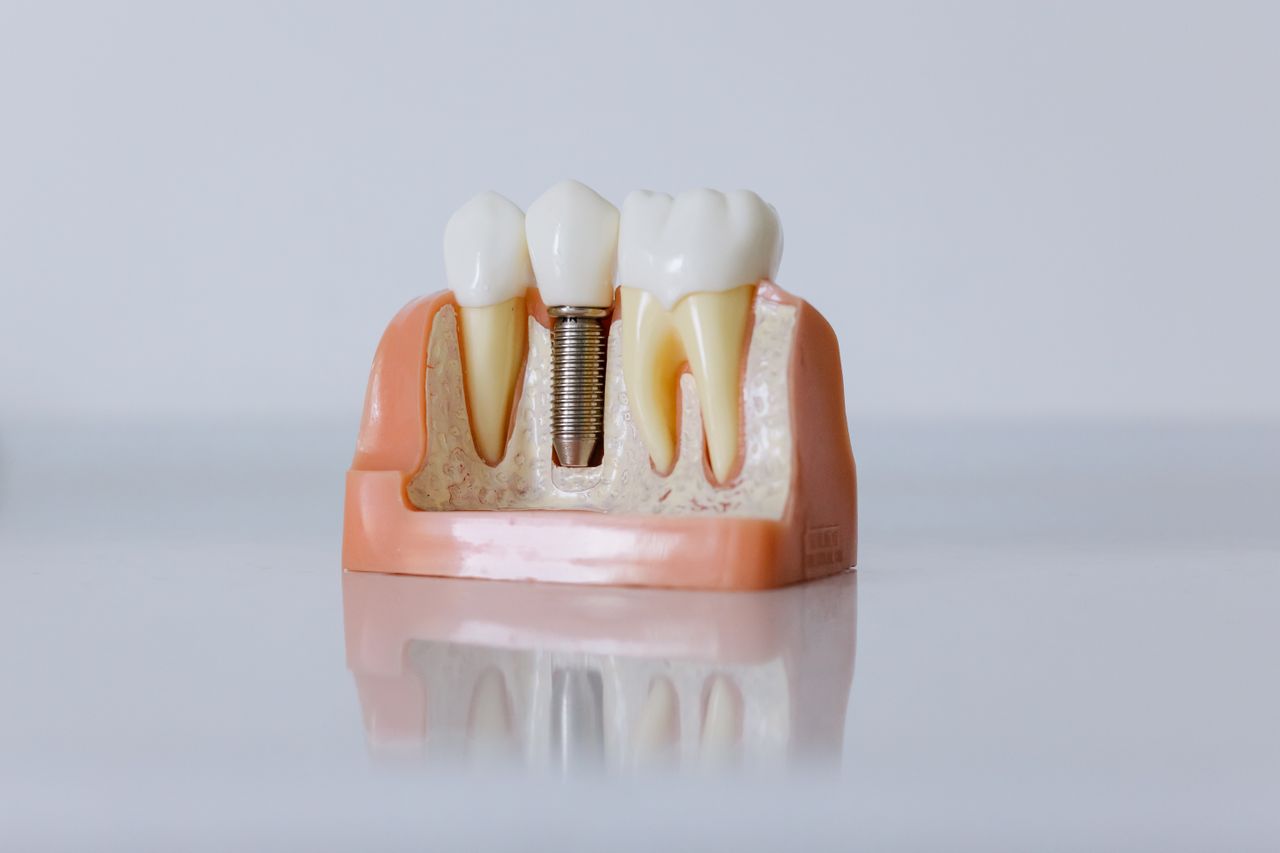
Dental implant treatment can help replace missing teeth for some patients, but it also involves surgery, healing, and long-term maintenance. Risks and recovery can vary based on your oral health, medical history, daily habits, and treatment plan. As the FDA explains in its patient guidance on dental implants, overall health is relevant to candidacy, healing, and long-term outcomes.
This article is general education and does not replace a clinical evaluation. Your treating team can evaluate your oral health, bone structure, treatment goals, and medical history before recommending an option.
What Are the Main Risks of Dental Implant Treatment?
Dental implant treatment includes both potential benefits and possible risks. Some patients may choose implants to help restore chewing ability, appearance, or support for a crown, bridge, or denture. At the same time, dental implant care may involve surgery, healing visits, restorative treatment, and long-term maintenance.
Possible concerns can include:
- Discomfort, swelling, or bruising after surgery
- Delayed healing
- Infection or inflammation around the implant
- Nerve injury or numbness after surgery
- Damage to nearby natural teeth
- Injury to surrounding tissues or the sinus
- Injury to the surrounding jawbone, including fracture
- Bite problems, such as teeth not coming together normally
- Loosening or failure of an implant or restoration
- Difficulty cleaning around the implant
- The need for additional treatment or follow-up care
- Mechanical issues involving the restoration over time
These examples are not a complete list of every possible complication. Your treating team should explain which risks apply to your proposed treatment.
Careful evaluation and treatment planning may help reduce some risks, but no procedure is completely free of risk. If you want to understand how planning begins, you can review what to expect at a consultation before scheduling an exam.
What Can Affect Healing and Complication Risk?
Healing and complication risk may depend on several patient-specific factors. Your treating team may review your medical history, medications, gum health, bone condition, bite, and any habits that could affect recovery.
Smoking and other nicotine use should be discussed openly. The FDA notes that smoking may affect healing and decrease long-term implant success. Health conditions that affect healing, including diabetes and other medical concerns, may also require an individualized review.
Bone and gum health matter as well. In some cases, missing teeth, gum disease, or bone loss may affect how treatment is planned. That does not automatically mean implants are not an option, but it may change the timing, complexity, or sequence of care. If you are still learning about candidacy, this overview of dental implant candidacy can provide general background before an in-person evaluation.
What Should You Expect After Implant Surgery?
Some discomfort and swelling may be part of normal early recovery, but healing does not follow the same timeline for everyone. Early recovery after surgery is different from the longer healing process between the implant and jawbone.
Your postoperative instructions may address oral hygiene, food choices, activity limits, medications, and follow-up visits. Those instructions should come from your treating team because they depend on the procedure performed and your specific clinical situation.
If your symptoms seem unusual, worsen instead of improving, or match a concern listed in your postoperative instructions, contact your treating team promptly. Online information cannot diagnose a complication or replace an in-person evaluation.
How Can Long-Term Implant Problems Develop?
Implant care does not end when the restoration is placed. Even though implant materials do not get cavities, the gum tissue and bone around implants still need ongoing care.
Two conditions that may be discussed during maintenance visits are peri-implant mucositis and peri-implantitis. According to the American Academy of Periodontology, peri-implant mucositis involves inflammation in the soft tissue around an implant without bone loss. Peri-implantitis involves inflammation and loss of the bone supporting the implant.
You may be advised to watch for changes such as bleeding, swelling, tenderness, discomfort, or a change in how the restoration feels. Professional maintenance visits and home-care instructions help support ongoing monitoring. They do not guarantee that complications will be prevented.
Why Does Treatment Planning Matter So Much?
Thoughtful planning starts before surgery. Depending on your needs, your treating team may review your medical and dental history, assess gum health, evaluate your bite, and use digital scans or CBCT imaging when appropriate. Planning also includes thinking about how the final restoration may function, feel, and be cleaned over time.
Fusion’s oral and maxillofacial surgeons and prosthodontist coordinate surgical and restorative planning. Patients can learn more about the treatment process for full-mouth dental implants.
If sedation or anesthesia is part of your care, your treating team can explain the proposed approach, its risks, and your individual instructions during treatment planning.
What Questions Should You Ask Before Moving Forward?
A consultation is the right time to ask direct questions about your personal risks and treatment plan. Helpful questions may include:
- Am I a candidate for dental implant treatment?
- Which risks may apply to my health, gums, bone, and bite?
- Will I need any additional procedures before implant placement?
- What should I expect during recovery and follow-up?
- What kind of long-term maintenance will my restoration need?
- Whom should I contact if I have a concern after treatment?
The goal is not to assume that implants are right for everyone or to avoid treatment simply because risks exist. It is to make an informed decision after a clinical evaluation and a clear discussion of possible benefits, limitations, healing needs, and long-term maintenance.
Get Personalized Answers About Your Options
Every smile and treatment plan is different. If you are considering dental implant treatment in Prairieville or the Baton Rouge area, our team can discuss your oral health history, goals, and available options during a consultation.
Call Fusion Implant Center at (225) 402-2113 to schedule a free consultation.
Sources
U.S. Food and Drug Administration. Dental Implants: What You Should Know.
American Academy of Periodontology. Peri-Implant Diseases.