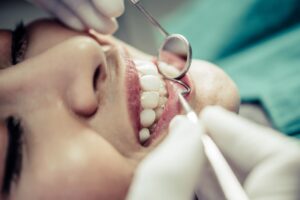

How Upper and Lower Arches Work Together
In many full-mouth cases, the upper and lower arches are planned together because replacement teeth need to relate to the bite. “Arches” means the upper and lower rows of teeth. The American College of Prosthodontists’ Parameters of Care for the Specialty of Prosthodontics describes comprehensive evaluation and treatment planning as including the teeth, supporting structures, bite, and restorative goals. Even when both arches are part of one plan, the timing, procedures, materials, and sequence can differ based on clinical findings.
This article is general education and does not replace a clinical evaluation. Your treating team can evaluate your oral health, bone structure, bite, and treatment goals before recommending an option. At Fusion Implant Center in Prairieville, serving the Baton Rouge area, patients can learn more about full-mouth dental implant treatment and what to expect at a consultation.
Your bite is the way your upper and lower teeth come together when you close your mouth, chew, and speak. In implant planning, clinicians may consider how proposed replacement teeth could fit together, how much restorative space is available for the replacement teeth and supporting parts, and what treatment sequence may be appropriate. Planning both arches together does not mean they will receive the same treatment or be treated during the same visit.
What Shapes a Full-Mouth Plan
A full-mouth plan starts with a careful look at the mouth as a whole. One arch may have different clinical findings than the other, even when both need treatment. The upper and lower arches may have different amounts of available bone, remaining teeth, gum conditions, or restorative needs. Those factors can affect the options considered and the order of treatment.
Before recommending an approach, your treating team may review:
- The condition and position of remaining teeth
- Gum health, bone volume, and bone quality
- Bite relationships and current restorations
- Medical history, oral hygiene, smoking status, and treatment goals
Examinations, imaging, and diagnostic records can help clinicians assess anatomy and plan replacement teeth, consistent with the American College of Prosthodontists’ Parameters of Care. Surgical guides may be used when appropriate, but they are not required for every patient or every procedure. Additional procedures may also be considered when they are clinically appropriate for individual needs.
A treatment plan is not only about implant placement. It also includes how replacement teeth may look, feel, and function with the opposing arch. That is why evaluating both arches can be helpful, even if treatment begins with only one.
How Surgical and Restorative Planning Connect.
Surgical planning focuses on the supporting structures and where implants may be placed. Restorative planning focuses on the replacement teeth, including their shape, position, and relationship to the bite. These parts of care are planned together because implant placement and restoration design can affect the space and support available for the final teeth.
Fusion’s oral and maxillofacial surgeons and prosthodontist plan surgical placement and prosthetic restoration together for full-arch and full-mouth treatment.
Why Upper and Lower Treatment May Differ.
The upper and lower jaws do not always present the same clinical picture. Bone amount and quality, gum health, remaining teeth, bite relationships, and restorative space can vary between arches. These differences may affect the procedures considered for each arch and whether treatment is coordinated at one time or staged over time.
Some patients may have both arches treated in a coordinated sequence. Others may begin with one arch and address the other later. The appropriate timing depends on the individual plan, clinical findings, and factors such as medical history and treatment complexity.
Dental implant treatment involves surgery and may include risks and complications. The FDA notes that dental implants carry potential risks and complications. Healing and outcomes can vary based on individual health, bone quality, treatment complexity, hygiene, follow-up care, smoking, and other patient-specific factors.
Frequently Asked Questions
Can Upper and Lower Arches Be Planned at the Same Time?
Yes. Both arches can be evaluated together. Evaluation and treatment are different steps, though. A clinical exam can help determine whether care may involve one arch, both arches, or a staged approach.
Do Both Arches Need the Same Type of Restoration?
Not necessarily. Each arch may have different bone conditions, remaining teeth, bite relationships, and restorative requirements. Oral health, bone structure, bite, and treatment goals can help shape the final recommendation.
Will I Receive Zirconia Teeth?
Fusion’s final full-arch teeth are zirconia. Your treating team can explain how the restoration is designed to work with the opposing arch.
How Much Does Full-Mouth Implant Treatment Cost?
Costs depend on the treatment plan. Fusion offers a free consultation. Fusion is a fee-for-service practice. It does not file dental insurance claims and does not provide paperwork for patients to file claims.
Understand Your Full-Arch Options
If you are weighing treatment for one or both arches, a consultation is the place to start. Our team can review your oral health, bite and goals, and explain how each arch may be planned. Call Fusion Implant Center at (225) 402-2113 to schedule a free consultation.
Sources
American College of Prosthodontists. Parameters of Care for the Specialty of Prosthodontics. 2020.
U.S. Food and Drug Administration. Dental Implants: What You Should Know.