Dental implants are placed in the jaw, so jawbone health is an important part of planning treatment. The National Institute of Dental and Craniofacial Research resource “Dental Implants” explains that implants are placed in the jawbone to support replacement teeth. The amount, shape, and condition of bone, along with oral health, medical history, and treatment goals, can help a dental team understand which options may be appropriate and whether more planning may be needed.
For patients considering dental implant surgery in Prairieville, LA, a jawbone evaluation is an important part of understanding the treatment process. This article is general education and does not replace a clinical evaluation. A dental team can evaluate oral health, bone structure, and treatment goals before recommending an option.
What Does A Jawbone Evaluation Look For?
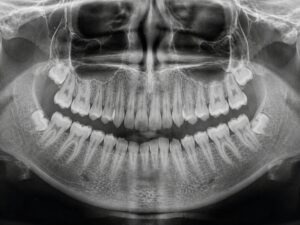
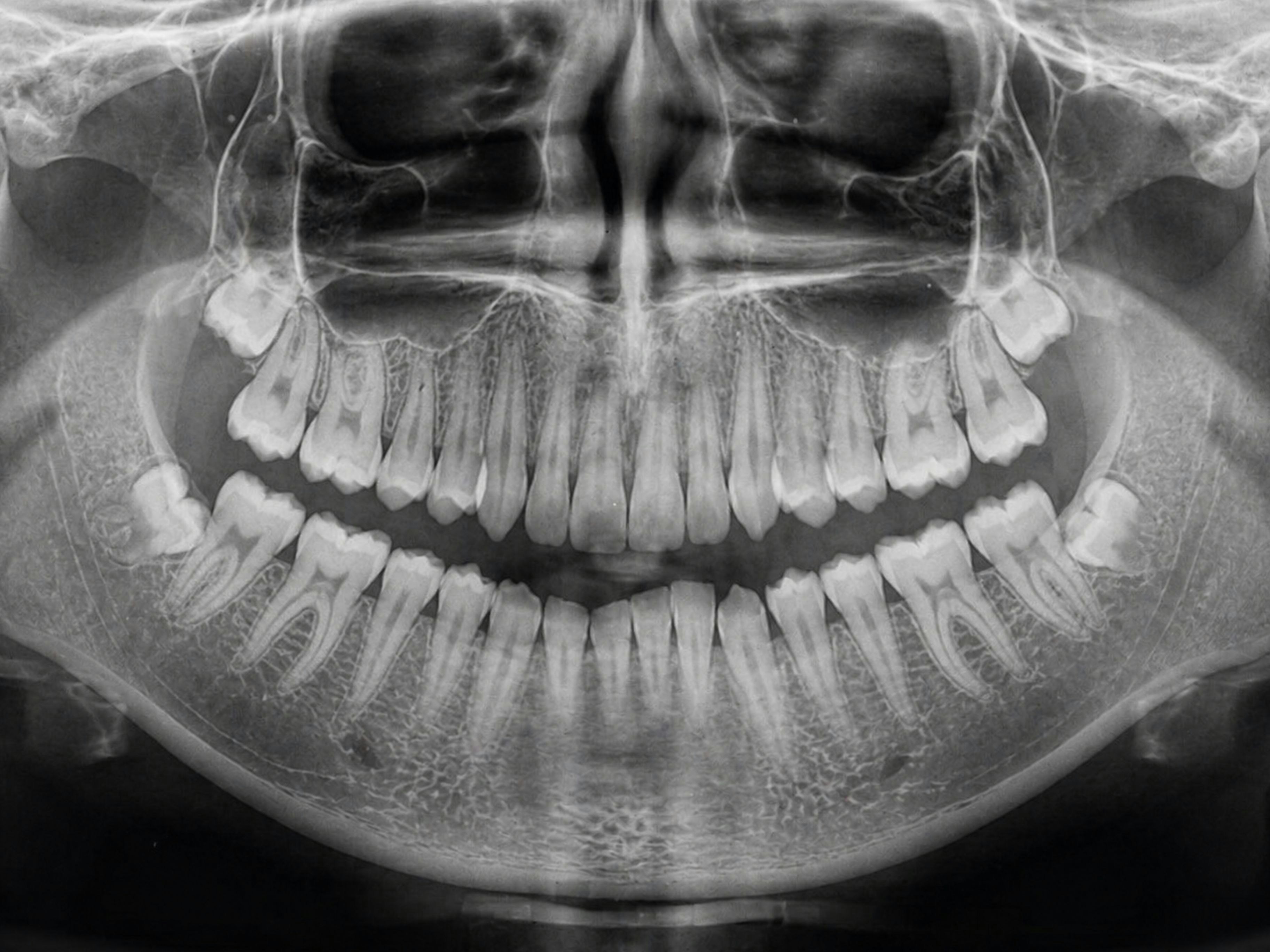
A jawbone evaluation looks beyond one image or one concern. Bone volume refers to how much bone is available in an area where implants may be considered. Bone shape and position also matter because the jaw is not the same from person to person. The National Institute of Dental and Craniofacial Research resource “Dental Implants” notes that jawbone thickness and condition can be relevant to implant treatment planning.
Bone quality is another clinical consideration. In plain terms, it relates to characteristics of the bone that may be considered during implant planning. It is not a simple pass-or-fail result, and one scan alone does not determine whether treatment is right for you. The 2017 review “Modern Implant Dentistry Based on Osseointegration: 50 Years of Progress, Current Trends and Open Questions” by Buser, Sennerby, and De Bruyn describes bone quantity and quality as considerations in treatment planning.
Depending on your situation, an evaluation may include:
- An oral examination
- A review of your dental and health history
- Diagnostic imaging when appropriate
- A review of existing teeth, gums, and prior dental treatment
- A conversation about your goals and concerns
Other factors may also matter. Medical history, medications, gum health, tobacco use, healing response, and treatment complexity can be part of the bigger picture. The U.S. Food and Drug Administration resource “Dental Implants: What You Should Know” advises patients to discuss their health history and medications with their dental professional when considering dental implants.
Why Can Bone Volume Affect Implant Surgery?
Implant planning considers the available bone in the planned area and the surrounding anatomy. This information can help a dental team plan surgical and restorative steps with care. The National Institute of Dental and Craniofacial Research resource “Dental Implants” explains that some patients may need additional bone preparation before implant surgery when there is not enough jawbone in the planned area.
If the available bone does not support the initial plan, that does not automatically mean implant treatment is off the table. Depending on your evaluation, a dental team may discuss a different approach, further evaluation, or an additional procedure that may support treatment planning. Some people may need more than one step before a final recommendation can be made.
For dental implant surgery in Prairieville, LA, planning decisions should be based on individual anatomy, oral health, and treatment goals. Additional procedures can add complexity, healing considerations, cost considerations, and potential risks. The U.S. Food and Drug Administration resource “Dental Implants: What You Should Know” notes that dental implant treatment can involve risks and complications, which should be discussed as part of treatment planning. Additional procedures are not routine for every patient, and it is not possible to determine whether one is appropriate without a clinical evaluation.
Can Jawbone Concerns Change A Treatment Plan?
Yes, findings from an evaluation can change the plan. That is not a bad sign. It simply means the available information is being used to create a recommendation that fits the patient’s circumstances.
Some people may need additional information before options are discussed. Others may have more than one possible path forward. The options discussed depend on bone structure, oral health, overall health, and goals. Not every option is appropriate for every patient.
For full-arch dental implant treatment, Fusion’s oral and maxillofacial surgeons and prosthodontist work together to plan surgical and restorative care. Coordinated planning helps the team consider both the surgical placement and the restoration that may follow.
Final treatment recommendations, healing, risks, and outcomes depend on the individual treatment plan. Results vary by patient.
What Questions Should You Ask During A Consultation?
A consultation is a chance to understand what was observed and why it matters. Bringing questions can make the conversation feel clearer and more useful.
You may want to ask:
- “What did you observe about my jawbone and oral health?”
- “How could my jawbone findings affect the treatment options you discuss?”
- “Would additional procedures be considered in my situation, and why?”
- “What are the potential benefits, limitations, and risks of the options we discuss?”
- “What follow-up and maintenance may be needed after treatment?”
Be ready to share relevant health information and medications with the clinical team. Do not change medications based on general information online. Your prescribing provider and dental team can help you understand what information may be relevant to planning. The U.S. Food and Drug Administration resource “Dental Implants: What You Should Know” also advises patients to discuss medications and health conditions with their dental professional before implant treatment.
Costs depend on the treatment plan. Fusion offers a free consultation.
Understanding Your Individual Findings
Jawbone health is one part of a complete implant evaluation, not the only factor that matters. An exam can help explain what is observed, what options may be appropriate, and which questions are worth discussing before you make a decision.
Our practice is located in Prairieville and serves the Baton Rouge area. A personalized evaluation can help turn broad concerns about bone health into a clearer conversation about your own oral health, anatomy, and treatment goals.
Get Clear Answers About Full-Arch Care
If you are considering a more complete approach to replacing missing teeth, learn about dental implant surgery in Prairieville, LA and full-mouth treatment. At Fusion Implant Center, our team is available to answer general questions, and you can contact us for a free consultation. Call Fusion Implant Center at (225) 402-2113 to schedule a free consultation.
FAQs
What Does Bone Quality Mean For Dental Implants?
Bone quality is one factor that may be considered when planning implant treatment. Bone volume, anatomy, gum health, medical history, and treatment goals may also be reviewed. Bone quality alone does not define candidacy. The 2017 review “Modern Implant Dentistry Based on Osseointegration: 50 Years of Progress, Current Trends and Open Questions” by Buser, Sennerby, and De Bruyn addresses bone quantity and quality as considerations in treatment planning.
Can I Have Dental Implants If I Have Experienced Bone Loss?
That depends on an individual evaluation. The National Institute of Dental and Craniofacial Research resource “Dental Implants” notes that some patients may need additional bone preparation before implant surgery. A dental team can review the jawbone, oral health, and proposed treatment area before discussing whether implant treatment or additional planning may be appropriate.
Will I Need A Bone Graft Before Dental Implant Surgery?
Not every patient needs an additional procedure. Whether one may be considered depends on the clinical evaluation and treatment plan. The National Institute of Dental and Craniofacial Research resource “Dental Implants” explains that bone grafting may be considered when there is not enough jawbone for implant placement. An additional procedure is not routine and cannot be recommended based on general information alone.
How Is Jawbone Health Checked Before Implant Treatment?
An evaluation may include an oral examination, a health history review, and diagnostic imaging when appropriate. These steps can help a dental team assess the planned treatment area and discuss why the information matters to treatment planning. The 2017 review “Modern Implant Dentistry Based on Osseointegration: 50 Years of Progress, Current Trends and Open Questions” by Buser, Sennerby, and De Bruyn addresses bone quantity and quality as considerations in treatment planning.
Does Jawbone Health Affect Full-Arch Implant Treatment?
Jawbone structure can be one of several considerations in planning full-arch treatment. A clinical evaluation is needed because treatment options, healing considerations, and outcomes vary by patient.
Sources
- National Institute of Dental and Craniofacial Research. Dental Implants.
- U.S. Food and Drug Administration. Dental Implants: What You Should Know.
- Buser D, Sennerby L, De Bruyn H. Modern Implant Dentistry Based on Osseointegration: 50 Years of Progress, Current Trends and Open Questions. Periodontology 2000. 2017.