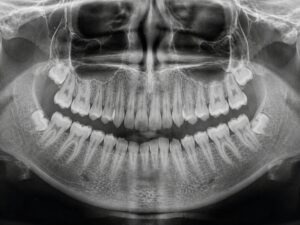

What Is Digital Dental Implant Planning?
Dental implant planning involves more than deciding where an implant might fit in the jaw. The clinical team also needs to consider the patient’s anatomy, the planned restoration, available bone, surrounding structures and how the surgical and restorative parts of treatment fit together.
Digital implant planning refers to the use of digital records, imaging and planning software to help evaluate and plan that treatment. At Fusion Implant Center, digital planning may incorporate CBCT imaging, digital impressions, photography and virtual smile design, depending on the treatment being planned. These technologies can provide useful information, but they do not determine the treatment plan on their own. Clinical judgment and an individualized evaluation remain essential.
Depending on the patient’s needs, planning may involve:
- Cone-beam computed tomography (CBCT)
- Digital intraoral scans or impressions
- Photographs
- Virtual smile design
Different tools answer different questions. CBCT provides three-dimensional information about internal anatomy. Digital impressions capture the surfaces of the teeth and oral structures. Photography may provide additional information about the patient’s face and smile. Planning software can allow clinicians to evaluate this information together as part of the treatment-planning process.
What Does a CBCT Scan Show?
CBCT is a three-dimensional X-ray imaging technique. For dental implant planning, it can provide information about:
- Jawbone anatomy
- Available bone
- The location of nearby anatomical structures
- Proposed implant sites
- Spatial relationships that may not be visible on two-dimensional images
The American Dental Association and American Academy of Oral and Maxillofacial Radiology’s 2026 clinical recommendations address the use of CBCT in presurgical implant planning. That does not mean every dental question requires CBCT. The imaging selected should match the clinical information needed for diagnosis and treatment planning.
Does CBCT Use Radiation?
Yes. CBCT uses ionizing radiation, and “digital” does not mean radiation-free. The U.S. Food and Drug Administration advises using dental CBCT only when clinically needed information is unavailable through other imaging methods. The decision to use CBCT should therefore be based on clinical need rather than the availability of the technology.
Patients can ask:
- Why is CBCT appropriate for my treatment?
- What information are you looking for?
- How will the scan affect the treatment plan?
- Is this imaging necessary for the procedure being considered?
What Is a Digital Intraoral Scan?
A digital intraoral scanner captures the surfaces of teeth and oral structures to create a digital model. Digital impressions can be used as part of implant and restorative planning. Depending on the treatment, these records may help the team evaluate existing teeth, tooth positions, bite relationships, available restorative space, the shape of the dental arch and the proposed restoration.
CBCT helps evaluate internal three-dimensional anatomy, while an intraoral scan records surface anatomy. Using the two together can help connect surgical planning with restorative planning.
What Is Virtual Smile Design?
Digital smile design can create a virtual representation of a proposed smile before treatment. Depending on the planning process, photographs, digital impressions and CBCT data can contribute to that representation. A virtual design can help the clinical team and patient discuss:
- Proposed tooth position
- Tooth proportions
- Smile appearance
- Restorative space
- Relationship of the planned teeth to the face
- Treatment goals
A digital preview is a proposal, not a guarantee of the final result. It is a planning and communication tool. The actual treatment can be influenced by anatomy, healing, surgical findings, restorative requirements and other individual factors. Fusion provides additional information about its Smile Preview process.
Can Patients Evaluate a Proposed Smile Before Final Treatment?
Digital planning can provide opportunities to discuss the proposed restorative design before the final restoration is completed. Some treatment plans may also include a physical smile try-in as another opportunity to evaluate aspects of the proposed restoration. Depending on the treatment process, the team may assess tooth position, appearance, speech, bite, restorative space and patient feedback.
The exact sequence depends on the individual treatment plan. Patients should ask what type of digital or physical preview is included in their treatment and what can be evaluated or adjusted before the final restoration is made.
How Does Digital Planning Connect Implant Placement to the Final Teeth?
An implant is not planned in isolation. Its purpose is to support a replacement tooth or restoration, so the clinical team may need to consider both where the implant can be placed anatomically and where the replacement tooth needs to be positioned restoratively. Three-dimensional imaging may provide information about available bone and surrounding anatomy, while digital restorative records provide information about the proposed teeth. Bringing those records together can support a restorative-driven approach to implant planning.
What Is Restorative-Driven Implant Planning?
Restorative-driven planning starts with the understanding that the implant ultimately needs to support a restoration. Instead of evaluating implant placement only from a surgical perspective, the team also considers the planned tooth or teeth. That may involve evaluating:
- Proposed tooth position
- Implant position
- Available bone
- Restorative space
- Bite
- Esthetics and function
- Cleaning access
- The relationship between multiple implants in full-arch treatment
This is especially important when several implants will support one larger restoration. The surgical and restorative plans need to work together.
Does Digital Planning Mean Implant Treatment Is More Accurate?
Digital planning can provide detailed information and tools that support treatment decisions, but patients should be cautious about turning that capability into an outcome guarantee. Digital imaging and planning do not eliminate:
- Biological variability
- Differences in healing
- Changes discovered during surgery
- Restorative limitations
- Mechanical considerations
- The need for clinical judgment
- The possibility that a treatment plan may need to change
A more useful question is: how is the digital information being used to make decisions in my particular treatment plan? Technology is most meaningful when the clinical team can explain what information it provides and how that information affects care.
Can Digital Planning Determine Whether I Need Bone Grafting?
Digital imaging can provide information about available bone and anatomy relevant to implant placement, and that information may contribute to a discussion about whether bone grafting or another approach should be considered. However, a scan alone does not make the treatment decision. The clinical team also considers the proposed implant positions, restoration, surgical approach and other patient-specific factors.
Imaging helps Fusion’s team evaluate the available bone and explain how it affects the proposed implant plan during the consultation. Whether bone grafting is recommended depends on the individual clinical findings and treatment plan.
How Can Digital Planning Help With Full-Arch Dental Implants?
Full-arch treatment involves multiple implants supporting a larger restoration. Planning may need to account for implant number and distribution, available bone, jaw anatomy, proposed tooth positions, restorative space, bite, appearance, cleaning access, and the temporary and final restorations. Digital records can help clinicians evaluate these factors together.
That does not mean software determines how many implants a patient needs or guarantees a particular treatment approach. The final plan depends on the patient’s anatomy, clinical findings, restorative needs and professional judgment.
Does Digital Planning Replace the Clinical Examination?
No. Digital records supplement a clinical evaluation. They do not replace examination of the mouth, review of medical and dental history, evaluation of oral health, discussion of treatment goals or professional judgment. The FDA notes that a patient’s overall health is an important factor in determining whether they are a good candidate for dental implants. Digital information becomes useful when it is interpreted within that larger clinical context.
What Should I Ask About Digital Implant Planning?
- What digital records will be used in my case, and why is CBCT needed?
- Will digital impressions or photographs be used?
- Can I see a virtual representation of the proposed restoration?
- Is a physical try-in part of my treatment?
- How does the planned restoration affect implant placement?
- How does the digital plan affect the surgery?
- What parts of the plan could change during treatment?
- How will healing affect the final restoration?
The goal is not to collect the most technology. It is to understand how the available technology helps the clinical team make decisions about your care.
How Does Fusion Implant Center Coordinate Surgical and Restorative Planning?
Dental implant treatment involves both surgical and restorative considerations. At Fusion Implant Center, digital tools can support a coordinated planning process between our oral surgery and prosthodontic teams. The information gathered during planning can help the team evaluate implant placement in relation to the proposed restoration rather than treating surgery and final teeth as disconnected stages. Restoration design and fabrication are coordinated with Fusion’s dental laboratory team.
Patients can learn more about what to expect during treatment and Fusion’s full-mouth dental implant process.
What Should I Take Away From Digital Implant Planning?
CBCT, digital impressions, photography and virtual design each play different roles. The important question is not whether a practice has digital technology. It is whether the clinical team can explain why a particular tool is being used, what information it provides and how that information affects your treatment plan. These tools support planning and communication, but they do not eliminate biological variability, healing differences or the need for clinical judgment.
Call Fusion Implant Center at (225) 402-2113 to schedule a free consultation. Our team can walk you through costs and options by phone. You can also contact us online.
Frequently Asked Questions About Digital Implant Planning
What is digital implant planning?
It is the use of digital records, imaging and planning software to help a clinical team evaluate your anatomy and the proposed replacement teeth before implant treatment. It supports decisions but does not determine the treatment plan on its own.
Does a CBCT scan use radiation?
Yes. CBCT uses ionizing radiation. The FDA advises using dental CBCT only when clinically needed information is unavailable through other imaging methods.
Does digital planning guarantee my result?
No. A digital plan is a proposal. Anatomy, healing, findings during surgery and restorative requirements can all change the plan or the outcome.
Can a scan tell me whether I need bone grafting?
A scan can show information about available bone, but it does not make the decision alone. The team also considers the proposed implant positions, the restoration, the surgical approach and your individual factors.
Does digital planning replace a clinical exam?
No. Digital records supplement a clinical evaluation, including an examination of your mouth and a review of your medical and dental history.
Sources
- American Dental Association and American Academy of Oral and Maxillofacial Radiology. Patient selection for dental radiography and cone-beam computed tomography: Clinical recommendations. Journal of the American Dental Association. 2026;157(1):20–35.e5.
- U.S. Food and Drug Administration. Dental Cone-Beam Computed Tomography.
- U.S. Food and Drug Administration. Dental Implants: What You Should Know.