If you are researching dental implants, one of your first questions may be: how much do dental implants cost? There is no single price that accurately represents every dental implant treatment.
Replacing one missing tooth is different from replacing several teeth or planning a full-arch restoration. Some patients may need extractions, bone grafting or other preparatory treatment. Others may not. Imaging, anesthesia or sedation, temporary restorations, final restorations and materials can also affect the overall treatment plan.
The American Association of Oral and Maxillofacial Surgeons explains that an accurate dental implant estimate requires a comprehensive, individualized consultation because costs vary based on the treatment a patient needs.
The most useful question is therefore not simply, “What does a dental implant cost?” It is: “What is included in my proposed treatment, and what factors are affecting the total cost?”
Why Does Dental Implant Cost Vary?
Dental implant treatment is not one standardized procedure. The scope can range from replacing one tooth to restoring an entire arch or mouth.
Factors that may affect the total cost include:
- Number of teeth being replaced
- Number of implants
- Tooth extractions when needed
- Diagnostic imaging
- Bone grafting when indicated
- Anesthesia or sedation
- Surgical complexity
- Implant components
- Temporary restorations
- Final restorations
- Restorative materials
- Follow-up care
- Other treatment required for the individual patient
AAOMS similarly identifies the number of teeth being replaced, tooth removal, anesthesia or sedation, bone grafting, X-rays, materials and restorative considerations among factors that may affect implant costs. That is why comparing a single advertised number with an individualized treatment plan can be misleading.
Does the Number of Missing Teeth Affect the Cost?
Yes. Replacing one missing tooth usually involves a different treatment plan from replacing multiple teeth or a complete arch.
For a single-tooth implant, treatment may involve an implant placed in the jaw, an abutment and a crown. Replacing multiple teeth may involve several implants or an implant-supported restoration designed to replace more than one tooth. A full-arch treatment plan may involve multiple implants supporting a larger fixed or removable restoration.
The number of missing teeth does not necessarily tell you exactly how many implants will be needed. That decision depends on the proposed restoration, anatomy and individualized treatment plan.
Are Extractions Included in Dental Implant Cost?
Not every implant patient needs a tooth extraction. If a tooth or multiple teeth need to be removed as part of the treatment plan, extraction can become another component of the overall cost. The complexity of the extraction may also vary.
Patients comparing estimates should ask whether necessary extractions are included in the proposed treatment plan or listed separately. This is one reason two implant estimates that initially appear different may not actually include the same services.
Does Bone Grafting Affect Dental Implant Cost?
It can. Dental implants are placed in the jawbone, so available bone and surrounding anatomy are evaluated during treatment planning. Some patients may be candidates for implant treatment without bone grafting. For others, grafting may be considered based on the implant site, available bone and proposed treatment.
AAOMS identifies bone grafting as one of the surgical factors that can affect dental implant cost. Whether grafting is needed depends on the individual evaluation.
If grafting is recommended, ask:
- Why is it needed in my situation?
- What area is being treated?
- How does it affect the implant plan?
- Does it change the treatment sequence?
- Is it included in the estimate?
- Are there other treatment approaches to consider?
The recommendation should be connected to your individual clinical findings.
Does Imaging Affect Dental Implant Cost?
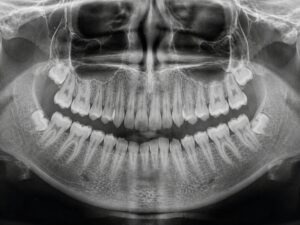
Diagnostic imaging may be part of implant evaluation and planning. The type of imaging used depends on the patient’s needs and the proposed treatment. Imaging can provide information about the implant site, available bone and surrounding anatomical structures that may affect planning.
AAOMS includes X-rays among the factors that may contribute to implant treatment cost. When reviewing an estimate, ask what diagnostic records and imaging are included and whether additional imaging could be needed later.
Does Anesthesia or Sedation Affect the Cost?
It can. The type of anesthesia or sedation used depends on the procedure, the patient’s needs and the treatment plan. AAOMS identifies anesthesia and sedation as factors that may affect the surgical cost of dental implant treatment.
Patients should ask:
- What type of anesthesia or sedation is planned?
- Why is it appropriate for my procedure?
- Is it included in the treatment estimate?
- Could the anesthesia plan change if the procedure changes?
The answer should be based on the actual treatment being proposed.
Do Temporary Teeth Affect the Total Cost?
They may. Some implant treatment plans include a temporary or provisional restoration during healing. For example, certain full-arch treatment plans may provide temporary teeth around the time implants are placed, followed by a final restoration later. Whether fixed temporary teeth can be attached depends on the treatment plan and clinical findings.
AAOMS notes that temporary restorative treatment may occur during the healing period before the final restoration is completed.
Patients should ask whether their estimate includes:
- A temporary restoration
- Adjustments to the temporary restoration
- The final restoration
- Any restorative stages between the two
This is particularly important when comparing full-arch treatment plans. A quote that includes only the surgical phase is not equivalent to one that includes surgery, temporary teeth and the final restoration.
Does the Final Restoration Affect Dental Implant Cost?
Yes. The implant itself is only one part of implant treatment. A restoration is ultimately needed to replace the missing tooth or teeth.
Depending on the treatment, that could involve:
- An individual implant crown
- An implant-supported bridge
- An implant-supported removable restoration
- A fixed full-arch restoration
Restorative design and materials may affect the treatment plan and total cost. AAOMS specifically identifies crown placement and restorative costs as factors in dental implant pricing.
When reviewing an estimate, ask exactly what final restoration is included rather than assuming every implant quote includes the same type of teeth.
Why Can Two Dental Implant Estimates Be Different?
Two estimates may look different because they may not include the same treatment. One plan could include only part of the process while another includes several stages.
Differences may involve:
- Diagnostic imaging
- Extractions
- Bone grafting
- Anesthesia or sedation
- Number of implants
- Temporary teeth
- Final restoration
- Restorative materials
- Follow-up care
- Other necessary procedures
The clinical approach and proposed restoration may also differ. Instead of comparing only the total at the bottom of each estimate, ask for each treatment plan to be explained. You should understand what is included, what is not included and what circumstances could change the proposed cost.
Why Doesn’t Fusion List One Dental Implant Price?
A single advertised number may not represent what an individual patient actually needs. Dental implant treatment can range from replacing a few teeth to a complex full-mouth plan involving surgical and restorative stages.
An individualized evaluation allows the clinical team to determine what treatment is being proposed before providing a meaningful estimate. That makes the estimate more useful than applying a generic national price to every patient.
What Should a Dental Implant Estimate Explain?
A useful estimate should help you understand the proposed treatment rather than giving you only a total number.
Consider asking:
- What treatment is being recommended?
- How many implants are included?
- Are extractions included?
- Is imaging included?
- Is bone grafting included if needed?
- What anesthesia or sedation is included?
- Are temporary teeth included?
- What final restoration is included?
- What restorative material is planned?
- Are follow-up visits included?
- Could the plan or cost change based on clinical findings?
- What services are not included?
If you do not understand a line item, ask what it represents and why it is part of the treatment plan.
What If My Treatment Plan Changes?
Sometimes treatment plans need to change as additional clinical information becomes available. For example, findings from imaging, surgery, healing or restorative evaluation may affect the treatment sequence.
Before beginning treatment, ask how potential changes would be communicated and how they could affect cost. Patients should understand both the proposed plan and how unexpected or additional treatment needs would be handled.
Does Dental Insurance Cover Dental Implants at Fusion?
Fusion is a fee-for-service practice. It does not file dental insurance claims and does not provide paperwork for patients to file claims. Insurance policies and benefits vary, so if coverage is important to your decision, review your benefits directly with your insurance provider before treatment.
Does Fusion Offer Financing for Dental Implant Treatment?
Financing can be another part of the cost discussion. Ask Fusion Implant Center about current payment arrangements and any third-party financing options available for your treatment plan.
Financing approval, eligibility and terms depend on the financing provider and the individual application. Review the amount financed, interest rate, repayment period and total repayment amount before making a decision.
What Should I Ask About Dental Implant Cost at a Consultation?
Consider asking:
- What is included in my treatment estimate?
- What is not included?
- How many implants are being proposed?
- Why is that number appropriate for my treatment?
- Are extractions included?
- Do I need bone grafting? If so, why?
- What imaging is included?
- What anesthesia or sedation is planned?
- Will I receive temporary teeth?
- Is the final restoration included?
- What material is planned for the final restoration?
- What follow-up care is included?
- What findings could change the treatment or cost?
- What payment and financing options are currently available?
The goal is to understand what you are paying for and how each part relates to your treatment plan.
Get an Individual Dental Implant Cost Estimate
The cost of dental implants depends on the treatment you actually need. A single-tooth implant, several implants and a full-arch restoration involve different treatment scopes. Extractions, bone grafting, imaging, anesthesia or sedation, temporary teeth, final restorations and materials can also affect the total.
At Fusion Implant Center, the first step is determining the appropriate treatment plan so the cost discussion can be based on your individual needs rather than a generic advertised number.
Learn more about full-mouth dental implant options and Fusion’s full-mouth dental implant process.
Call Fusion Implant Center at (225) 402-2113 to schedule a free consultation. Our team can walk you through costs and options by phone. You can also contact us online.
Sources
American Association of Oral and Maxillofacial Surgeons. How Much Are Dental Implants?
U.S. Food and Drug Administration. Dental Implants: What You Should Know