
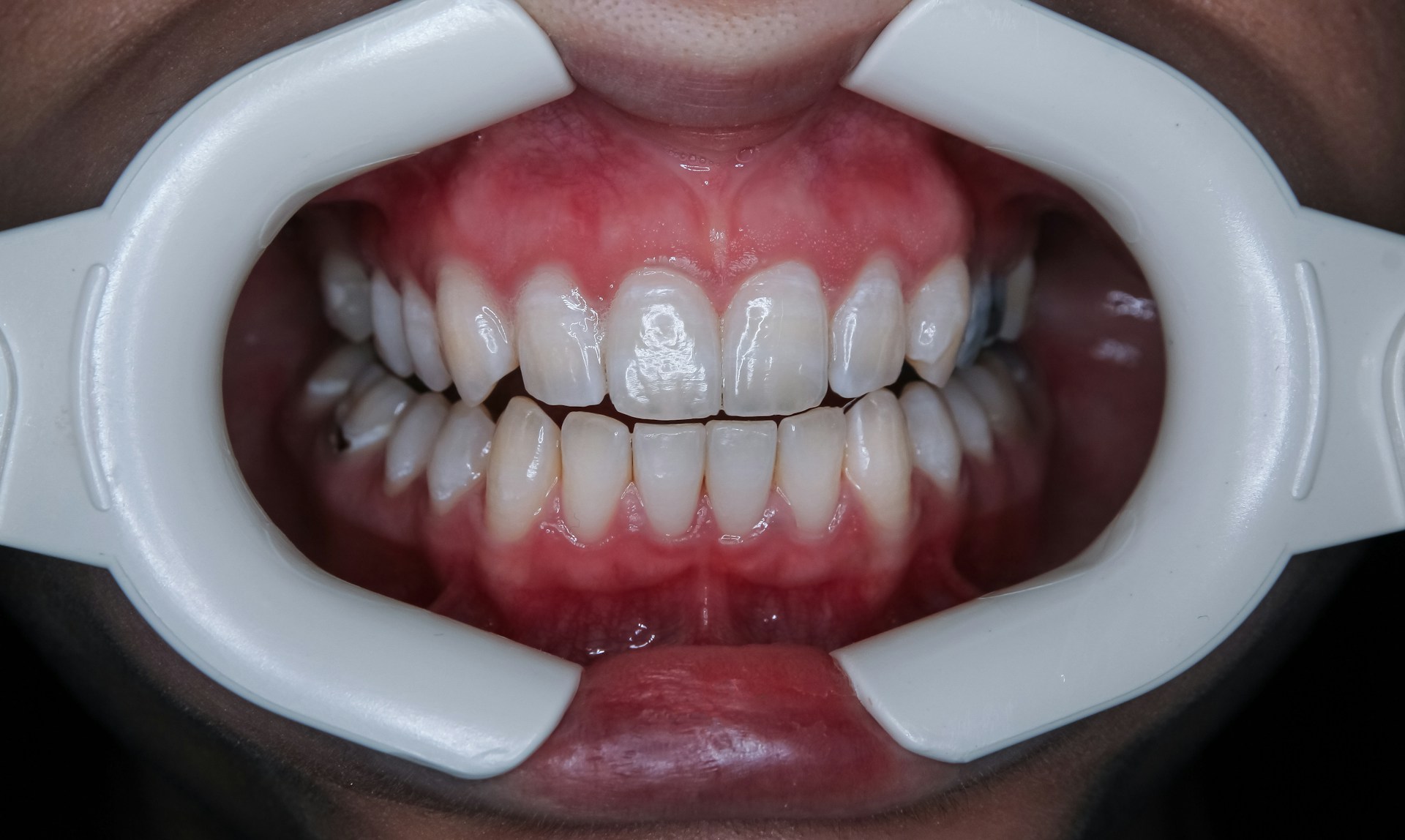
When Is a Deeper Level of Anesthesia Considered for Full-Arch Implant Surgery?
For some patients, general anesthesia may be considered during full-arch implant surgery, but it is not required for everyone. The decision depends on the planned procedure, medical history, medications, airway considerations, anxiety, and other individual factors. This article is general education and does not replace a clinical evaluation.
Questions about awareness, safety, and recovery are common. Anesthesia is typically discussed as one part of the overall treatment plan rather than as a standard choice for every patient. At Fusion Implant Center in Prairieville, serving the Baton Rouge area, patients can learn more about full-mouth dental implant treatment and review what to expect during a consultation before discussing their options with the treating team.
Is This Level Of Anesthesia Right For Every Patient?
No. Some patients may be treated with a different approach depending on the scope of surgery and their health history. Fusion offers local anesthesia, IV anesthesia, and general anesthesia. The most appropriate approach depends on individual findings from the consultation, medical review, and treatment plan.
Full-arch implant treatment may include implant placement and planning for a full-arch prosthetic restoration. That planning may involve reviewing oral health, bone structure, medical history, restorative goals, and whether additional procedures may be needed. Fusion’s oral and maxillofacial surgeons and prosthodontist plan the surgical and restorative stages together.
How Do Local Anesthesia, IV Anesthesia, And General Anesthesia Differ?
The American Dental Association distinguishes levels of sedation and general anesthesia by how alert and responsive a patient is. IV describes how medication is given.
- Local anesthesia numbs the treatment area while the patient remains awake.
- With IV anesthesia, medication is given through a vein. How aware and responsive you are depends on the planned level of care.
- General anesthesia causes loss of consciousness. The anesthesia team monitors you during the procedure and recovery.
No single option is right for every person or every procedure. Wanting to be fully asleep does not by itself determine whether that approach is appropriate. Your treating team can review the planned surgery and your health history before discussing which option may fit your case.
What Factors Shape The Recommendation?
An anesthesia recommendation may be influenced by several parts of your health and treatment plan. This is not a self-screening list, but it can help explain why a detailed conversation matters.
- Medical conditions, current medications, allergies, and supplements
- Previous experiences with IV anesthesia or general anesthesia
- Airway evaluation and tobacco use
- The anticipated scope and complexity of surgery
- Questions about anxiety, awareness, and recovery
Please share accurate information about prescription medications, over-the-counter products, supplements, diagnosed health conditions, and any prior concerns related to IV anesthesia or general anesthesia. Dental anxiety does not automatically mean general anesthesia is necessary. A preference to be asleep also does not, by itself, determine whether it is appropriate.
Only your treating team can determine whether local anesthesia, IV anesthesia, or general anesthesia may be appropriate after reviewing your health and treatment plan.
What Should You Discuss About Safety And Recovery?
General anesthesia involves loss of consciousness, so screening, monitoring, and recovery planning are important parts of care. AAOMS outpatient anesthesia guidance discusses preanesthetic assessment, emergency readiness, and factors that can affect anesthesia risk in office-based surgical settings. Preparation and recovery instructions can vary based on the procedure and the patient.
Fusion has an on-site anesthesia team. Prior to surgery, full pre-operative medical clearance is required for general anesthesia. Once results are received from your medical provider, the anesthesia team reviews your full medical workup and creates your own patient-specific pre-operative plan. This will be reviewed with you prior to your surgery date.
It can be helpful to ask:
- What anesthesia options may be appropriate for my treatment plan?
- What health information should I share before surgery?
- Will I need any special instructions before my appointment?
- What should I expect during monitoring and recovery?
- What instructions should I follow after the procedure?
Follow the directions provided by your treating team, and ask for clarification if anything is unclear. Many factors can affect the treatment experience and recovery period, including overall health, the complexity of surgery, and the type of anesthesia used.
Sources
Plan Your Next Steps With Confidence
Learn more about full-arch implant surgery and the treatment options we provide at Fusion Implant Center. Our team can discuss your questions and help you understand what to expect during a free consultation. Call Fusion Implant Center at (225) 402-2113 to schedule a free consultation.
Frequently Asked Questions
Is General Anesthesia Required For Full-Arch Implant Surgery?
No. Some patients may be considered for it, while others may be treated with a different approach. The recommendation depends on health history, the treatment plan, and a clinical evaluation.
Will I Be Aware During Surgery?
Awareness depends on the anesthesia approach used. Your treating team can explain what local anesthesia, IV anesthesia, or general anesthesia may involve for your individual plan.
Can IV Medication Be Used for General Anesthesia?
Yes. IV medication can be used to provide general anesthesia. Ask your treating team what level of anesthesia is planned and what you can expect to be aware of.
How Do I Know Which Option Is Right For Me?
Your treating team can review your health history, medications, planned treatment, and other clinical factors before making a recommendation. If you want to understand how this fits into the broader process, you can also explore the treatment process for full-mouth implants before your consultation.